Latest · AZ Weekly Post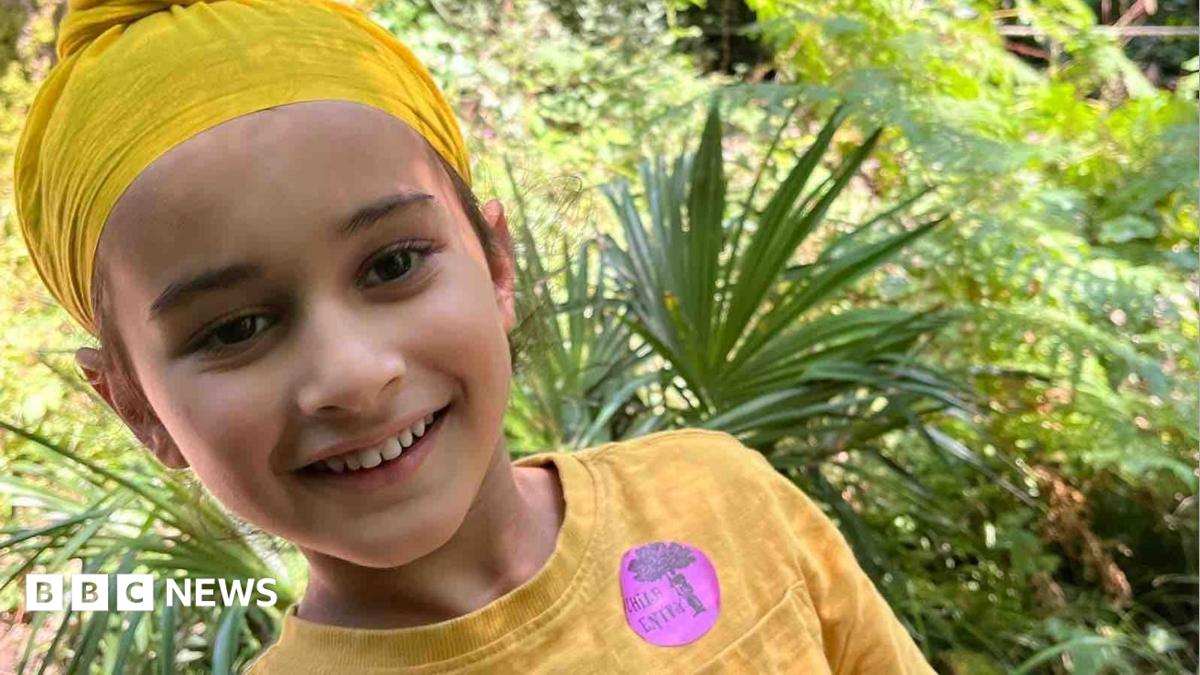
When six-year-old Partaap began struggling to stand, climb the stairs and do other everyday activities, his parents knew something was wrong. Over the following months, his family faced a series of hospital appointments and tests as they searched for answers. The diagnosis, when it came, was devastating.
Doctors told them Partaap had an extremely rare variant of Juvenile ALS, a type of motor neurone disease (MND), according to the NHS , external . They said only 40 to 50 children worldwide had been diagnosed with the condition and that he is believed to be the youngest person in the UK living with it. "As parents, hearing this felt like the ground disappeared beneath us," said his mother, Gurbinder.
The first signs of the condition appeared early last year, when Partaap began falling over for no obvious reason and found it increasingly difficult to walk long distances. In January, genetic test results confirmed the family's fears. Doctors told them there was no cure or treatment for his condition and advised them to focus on palliative care.
"Through it all, he was courageous, patient and unbelievably strong," Gurbinder, from Wolverhampton, said. "We simply couldn't accept that. Not for our child.
Not without trying everything. "That's when we turned to clinical research where new therapies come to light." Today, Partaap struggles to walk for more than a few minutes and is unable to balance, but his family say he remains fiercely independent and still insists on playing football with his younger brother whenever he can. "No one knows how quickly it will progress in him, or how much time we have left," Gurbinder said.
According to the MND Association, childhood MND is rare, but as in adults the messages from motor neurones gradually stop reaching the muscles that control movement. The charity said childhood forms of the disease are often linked to changes in genes, meaning it may be possible to develop treatments targeting the faulty gene. One approach being researched involves medicines known as antisense oligonucleotides (ASOs), which scientists are developing for a range of rare genetic conditions.
In a bid to prolong their son's life, Partaap's family are now attempting to raise £1m to help design and deliver specialist treatment in the United States, which they say has not previously been developed for his specific gene variant.
Source: BBC